Layered Bedroom Lighting: The 3-Light Rule Designers Actually Use
Why Most Bedrooms Feel Flat at Night
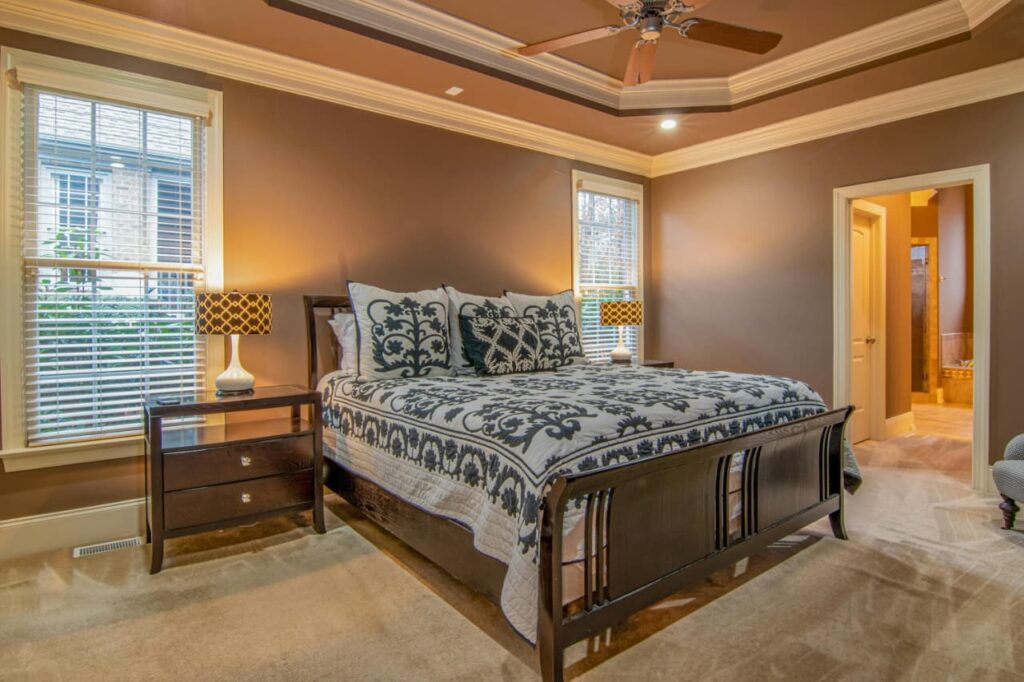
Walk into most bedrooms after sunset and you’ll notice something instantly: the light feels one-dimensional.
There’s usually one overhead fixture doing all the work. It throws light everywhere equally — no depth, no shadows, no mood. Just brightness.
The result? The room feels exposed instead of cozy.
It’s bright enough to see everything — but not intentional enough to feel anything.
Bedrooms aren’t meant to feel like offices. They’re meant to feel layered, soft, and calm.
And that doesn’t happen by accident.
What Is Layered Lighting?
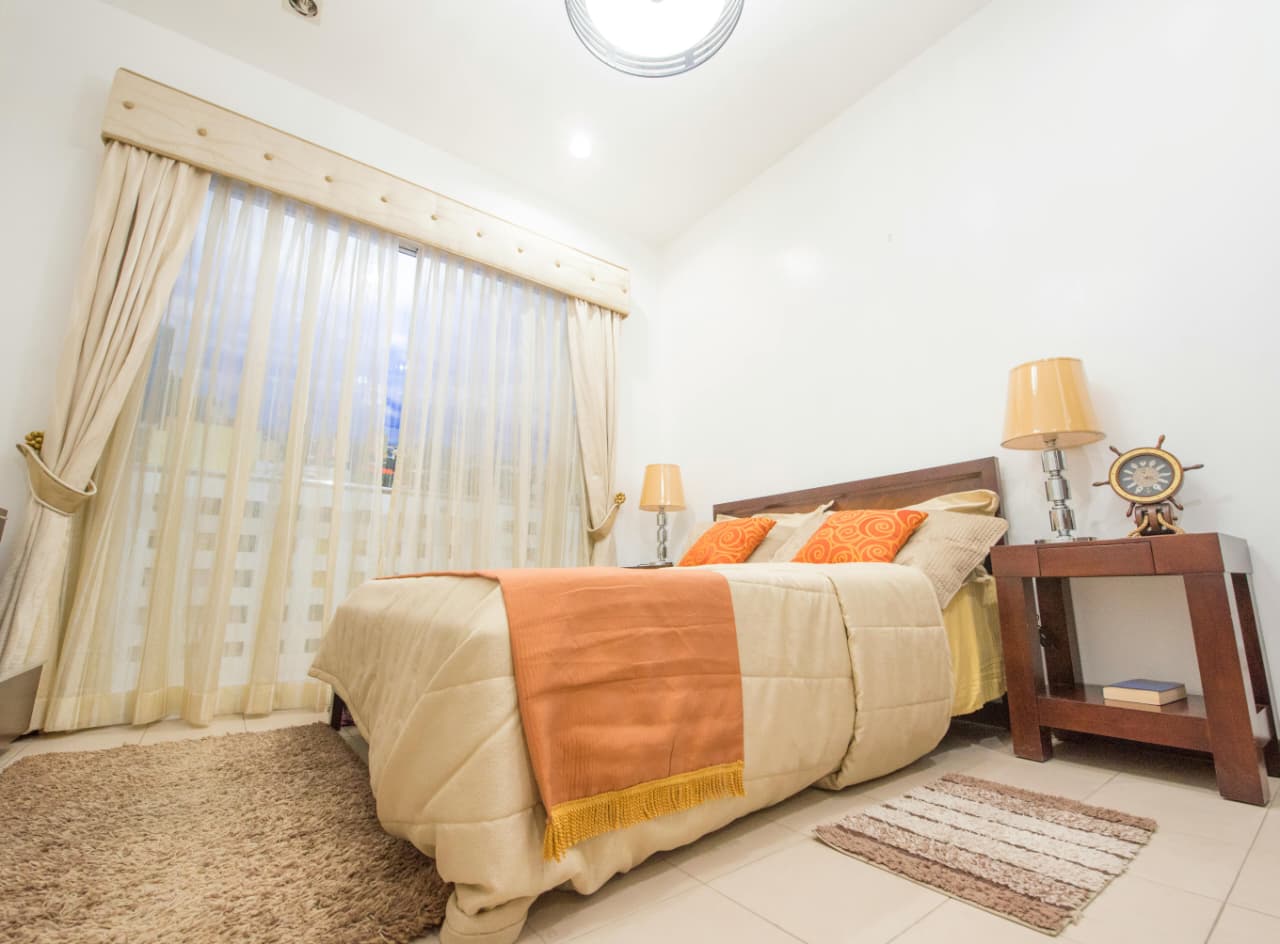
Layered lighting simply means using multiple light sources at different heights and intensities to create depth.
Instead of relying on one central bulb, you build light in layers — just like you would with textures or fabrics.
Here’s how designers break it down:
1. Ambient Lighting (The Base Layer)
Ambient lighting is your foundation.
This could be a ceiling fixture, recessed lights, or even hidden cove lighting. Its job is to softly illuminate the entire room — not dominate it.
Think “gentle glow,” not “interrogation room.”
2. Task Lighting (Focused & Functional)
Task lighting is practical.
Bedside lamps for reading. A wall-mounted light near a chair. A small desk lamp if you have a workspace.
It gives you light where you need it — without flooding the entire room.
This is where bedside lamps earn their place.
3. Accent Lighting (Mood & Depth)
Accent lighting is what makes the room feel designed.
A soft floor lamp in the corner.
LED strip behind the headboard.
A wall sconce washing light upward.
This layer adds dimension. It creates shadows. It makes the room feel alive.
It’s the difference between a room that’s simply lit — and a room that feels considered.
The 3-Light Rule Designers Follow
Here’s the simple rule:
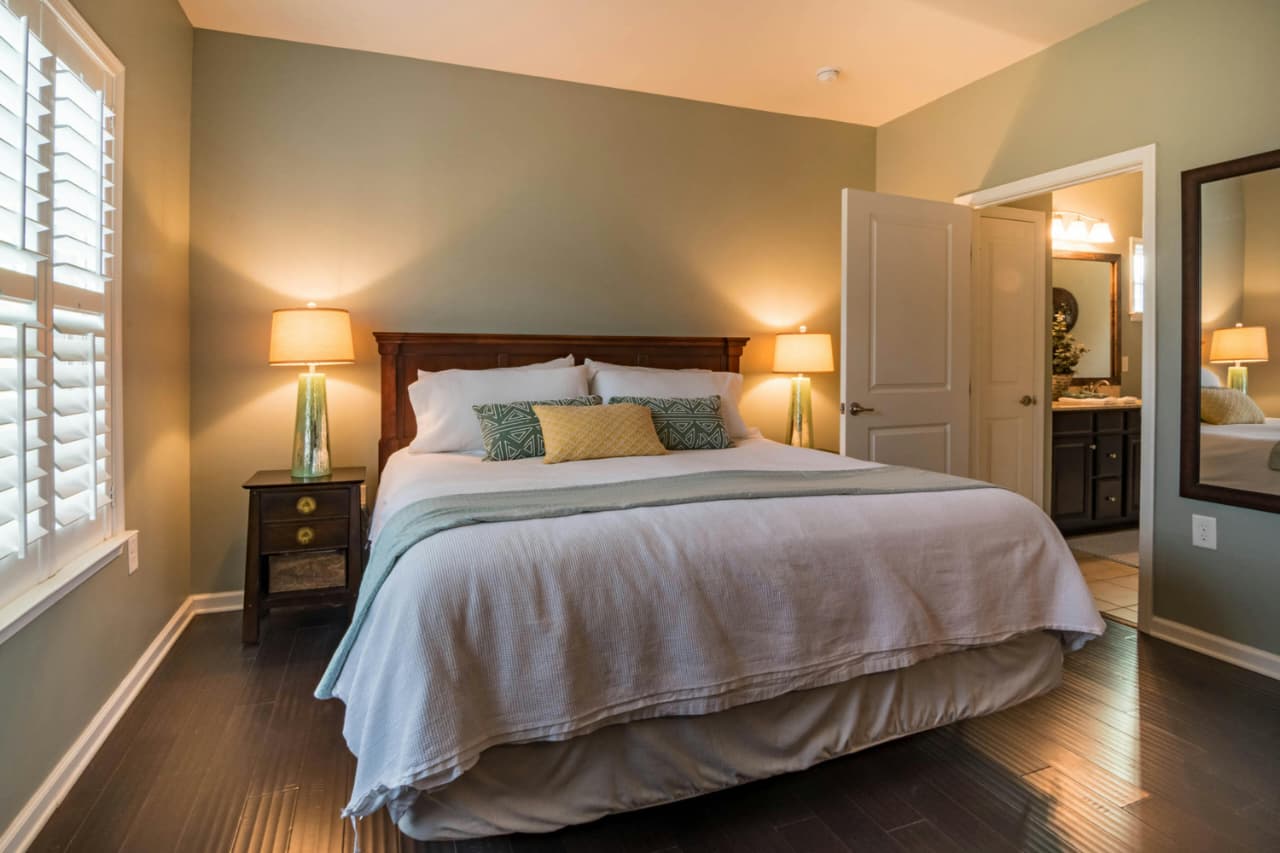
A bedroom should have at least three separate light sources.
Not three bulbs in one fixture.
Three different sources.
Even better if they’re at different heights.
For example:
- Ceiling light (high)
- Bedside lamps (mid)
- Floor lamp (low)
That variation creates balance.
Another detail designers pay attention to? Warmth.
Stick to 2700K–3000K for bedrooms. Cool white lighting kills the mood instantly.
If your bedroom feels sterile, check your bulb temperature first.
How to Apply the 3-Light Rule in a Real Bedroom
You don’t need a renovation.
Start simple:
- Keep your ceiling light — but switch to warm bulbs.
- Add two bedside lamps (symmetry instantly feels calmer).
- Add one accent light in a forgotten corner.
Corners are where flat lighting hides — and where depth begins.
That’s it.
Three layers. Three sources. Different heights.
The difference at night is dramatic.
The room feels softer. More intentional. More expensive.
Common Bedroom Lighting Mistakes
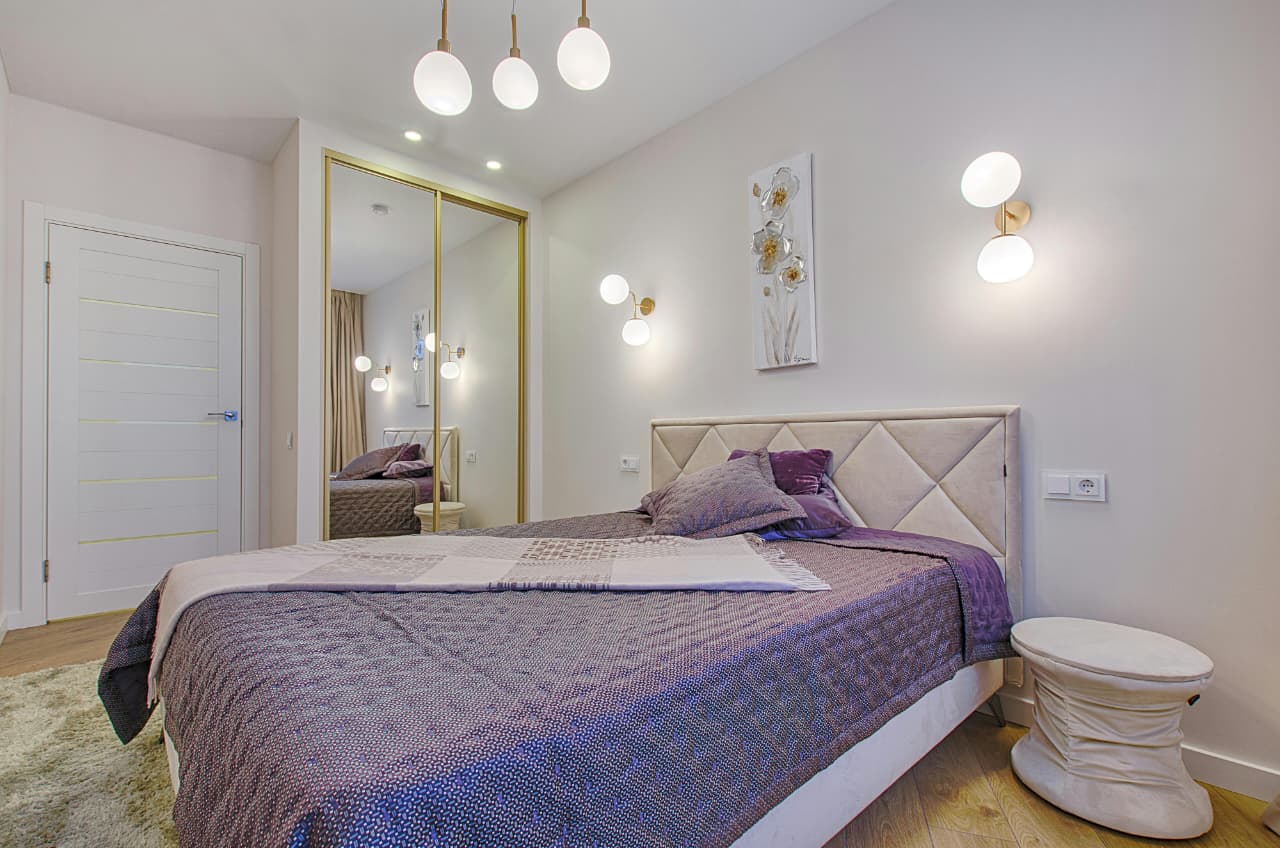
- Only using the overhead light
- Using cool white bulbs at night
- Making every light equally bright
- No dimmers
- Ignoring corners completely
Lighting should feel gradual, not flat.
Final Thoughts
Good bedroom lighting isn’t about brightness.
It’s about balance.
Once you introduce layers, the space starts to feel deeper and calmer — even if nothing else changes.
The 3-light rule isn’t complicated. It’s just intentional.
And once you try it, going back to a single ceiling light feels wrong.