Best Light Temperature for a Bedroom (2700K vs 3000K Explained Clearly)
Most people don’t realize how much light temperature changes the feeling of a bedroom until they install the wrong bulb.
You can have beautiful fixtures, layered lighting, even matching bedside lamps — and the room still feels slightly off. Too bright. Too sterile. Or strangely dull.
The issue usually isn’t the lamp.
It’s the Kelvin rating.
Today, we’ll break down exactly what temperature works best in a bedroom — and why.
Why Light Temperature Matters in a Bedroom
Your bedroom isn’t a workspace. It’s not a kitchen. It’s not a retail store.
Light temperature affects how your brain interprets the room. Cooler light (higher Kelvin numbers) stimulates alertness. Warmer light relaxes the nervous system.
At night, your body naturally prepares for rest. If your lighting fights that process, the room never fully feels calm — even if it looks well-designed.
That’s why temperature matters more in bedrooms than almost any other space.

2700K vs 3000K vs 4000K — What’s the Difference?
2700K (Soft Warm White)
This is the warm, slightly golden light you see in most cozy bedrooms. It mimics the glow of traditional incandescent bulbs.
It feels calm. Comfortable. Relaxed.
If your goal is a soft, inviting bedroom that feels restful at night, 2700K is usually the safest choice.
- Best for winding down
- Ideal for bedside lamps
- Creates soft shadow depth
- Works well with layered lighting
3000K (Warm White)
3000K is still warm, but noticeably brighter and crisper. It doesn’t feel harsh — but it feels more alert than 2700K.
In bedrooms, this temperature works well if:
- You read often in bed
- You prefer slightly brighter walls
- You don’t want heavy golden tones
It’s balanced — but less cozy.
4000K (Cool White)
4000K is where bedrooms start to feel clinical.
It’s great for offices and task areas.
But at night, it can make the space feel flat and overstimulating.
In most residential bedrooms, 4000K is simply too cool.
- Feels bright and energetic
- Reduces softness
- Rarely ideal for nighttime use
What Designers Actually Use in Bedrooms
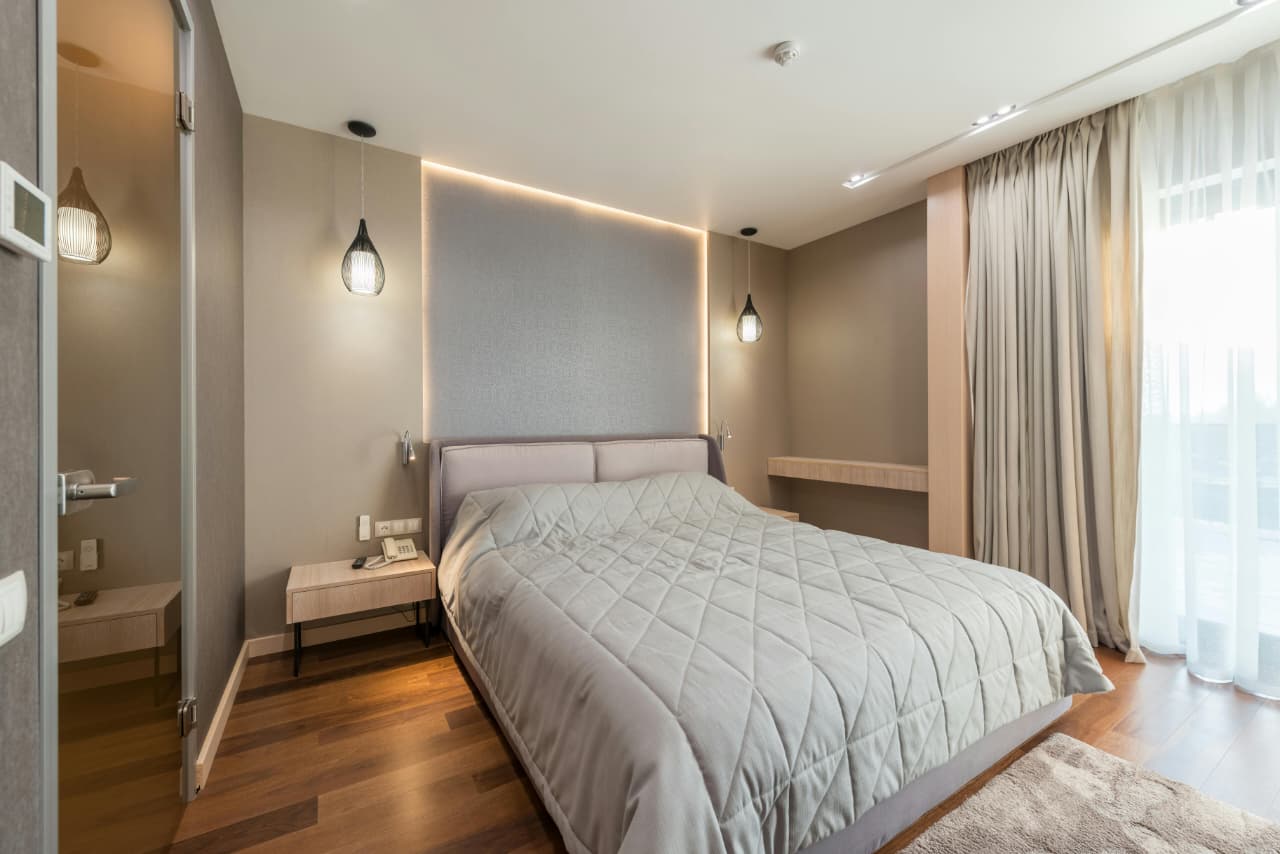
Most interior designers default to 2700K in primary bedrooms.
Not because it’s trendy — but because it consistently feels better at night.
However, many layered bedrooms combine temperatures strategically:
- 2700K for bedside lamps
- 3000K for overhead lighting
- Dimmers to control intensity
The temperature works best when it supports the room’s purpose: rest first, function second.
If you’re unfamiliar with layering techniques, this guide on layered bedroom lighting explains the 3-light rule designers use.
Best Light Temperature for Different Bedroom Activities
For Sleeping
2700K is ideal. It signals relaxation and reduces harsh brightness before bed.
For Reading in Bed
2700K with higher lumens works — or 3000K if you prefer clarity.
For Getting Dressed
3000K is acceptable here, especially if paired with mirrors.
Final Recommendation
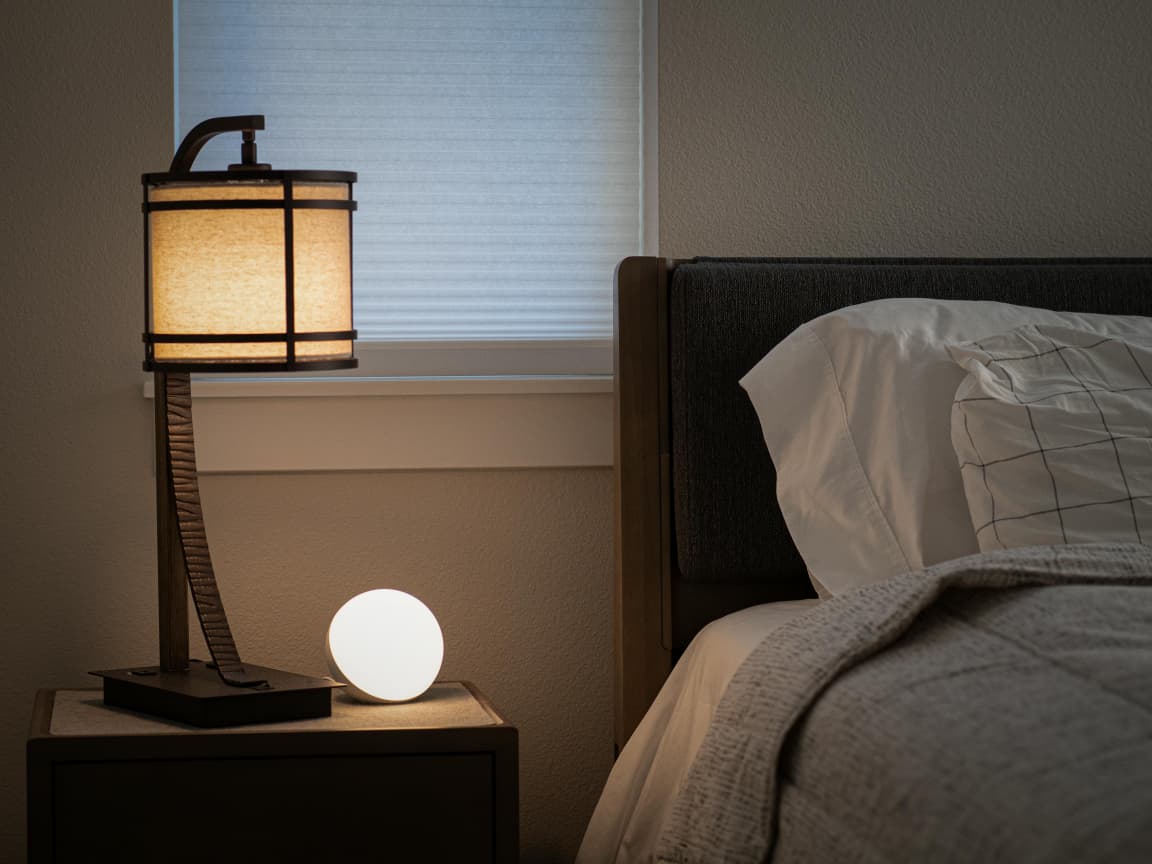
If you want a bedroom that feels calm at night, start with 2700K.
It’s warm without being dim.
Comfortable without feeling outdated.
3000K works if you prefer slightly brighter tones — but anything cooler usually undermines the room’s purpose.
When in doubt, choose warmth.
You can also read our full bedroom lighting at night guide for a deeper comparison between warm and cool light.