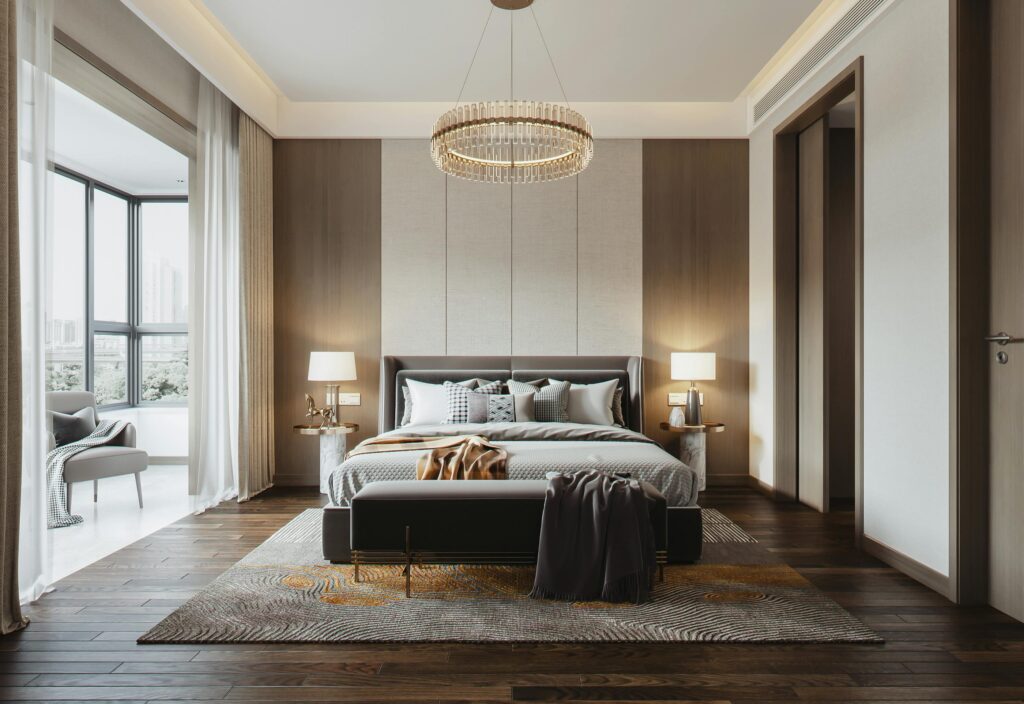
Bedroom Lighting at Night: Warm vs Cool Light and What Actually Feels Better
Why Bedroom Lighting Feels Confusing (and Why It Matters More Than You Think)
For a long time, I thought brighter lighting automatically meant better lighting. If a room felt dark, my instinct was to fix it by adding more light or choosing a stronger bulb. It worked in kitchens and workspaces, but in my bedroom, something always felt off.
The room looked fine on the surface, but it didn’t feel calming. Even at night, the space felt slightly alert — like my body hadn’t received the signal that it was time to slow down. That’s when I started paying attention to how light feels, not just how much of it there is.
Bedroom lighting matters because it directly affects how relaxed the space feels at the end of the day. It’s not about visibility — it’s about comfort.
What Warm Light Really Does to a Bedroom
How Warm Light Changes the Mood at Night
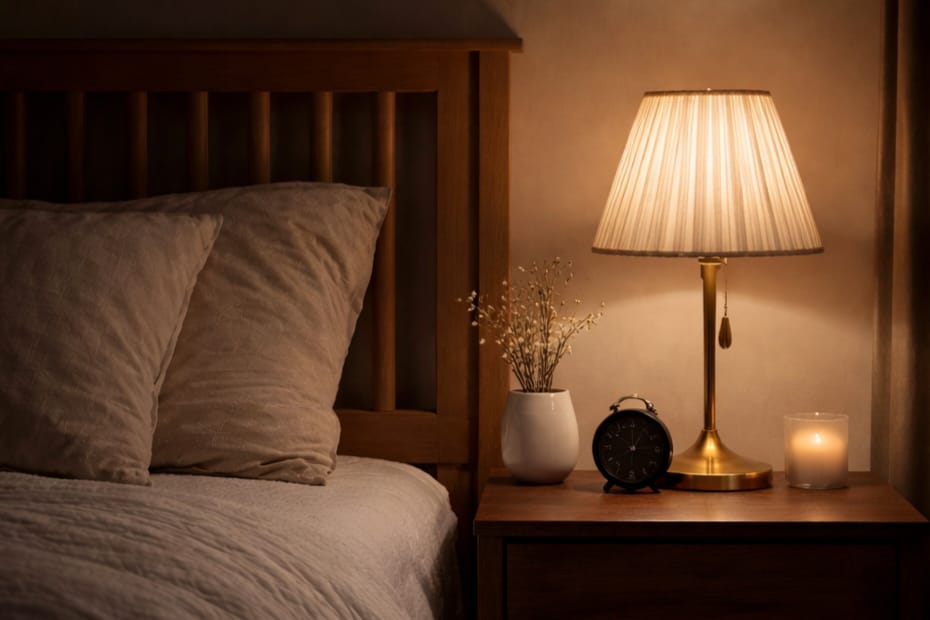
Warm light softens a room in a way that feels almost immediate. When it’s turned on in the evening, the space stops feeling active and starts feeling settled. Shadows become gentler, the room feels quieter, and the atmosphere shifts without needing anything else to change.
I’ve noticed that warm lighting doesn’t demand attention. It doesn’t push you to stay alert or productive — it allows the room to slow down with you, which is exactly what a bedroom should do at night.
Why Bedrooms Respond Better to Soft, Warm Lighting
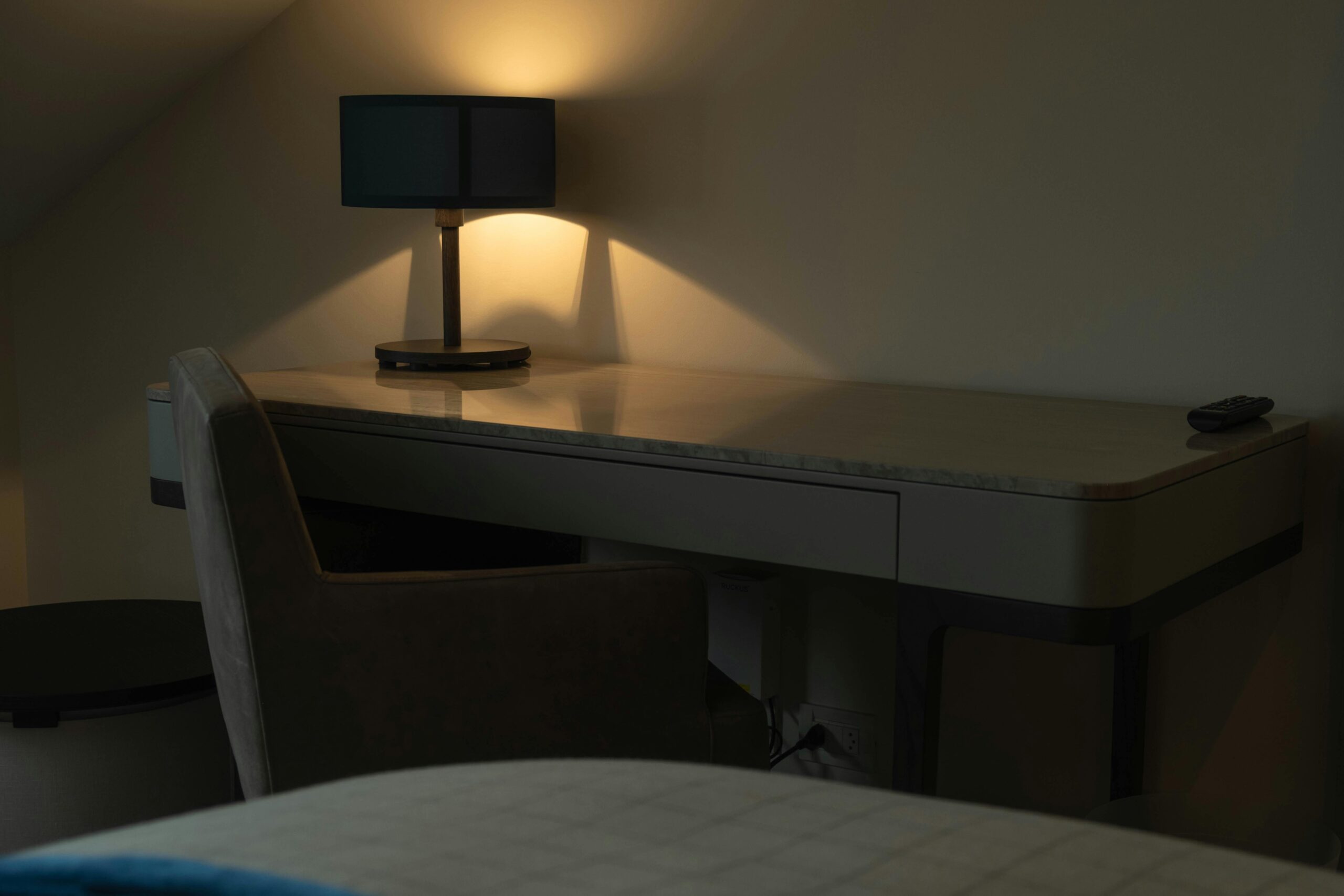
Bedrooms aren’t meant to be functional spaces after dark. They’re personal, restful, and meant to feel comfortable rather than efficient. Warm light works with that purpose instead of against it.
Under softer, warmer lighting, fabrics feel cozier, wall colors feel richer, and even simple furniture looks more inviting. The room feels finished, not overstimulated. That’s why warm light tends to feel natural in bedrooms, especially during the evening hours.
That comfort is exactly why warm light feels so natural in bedrooms — and why cooler lighting, while useful elsewhere, often feels out of place at night.

What Cool Light Is Actually Good For (and Where It Works Best)
Why Cool Light Isn’t “Bad” — Just Misplaced
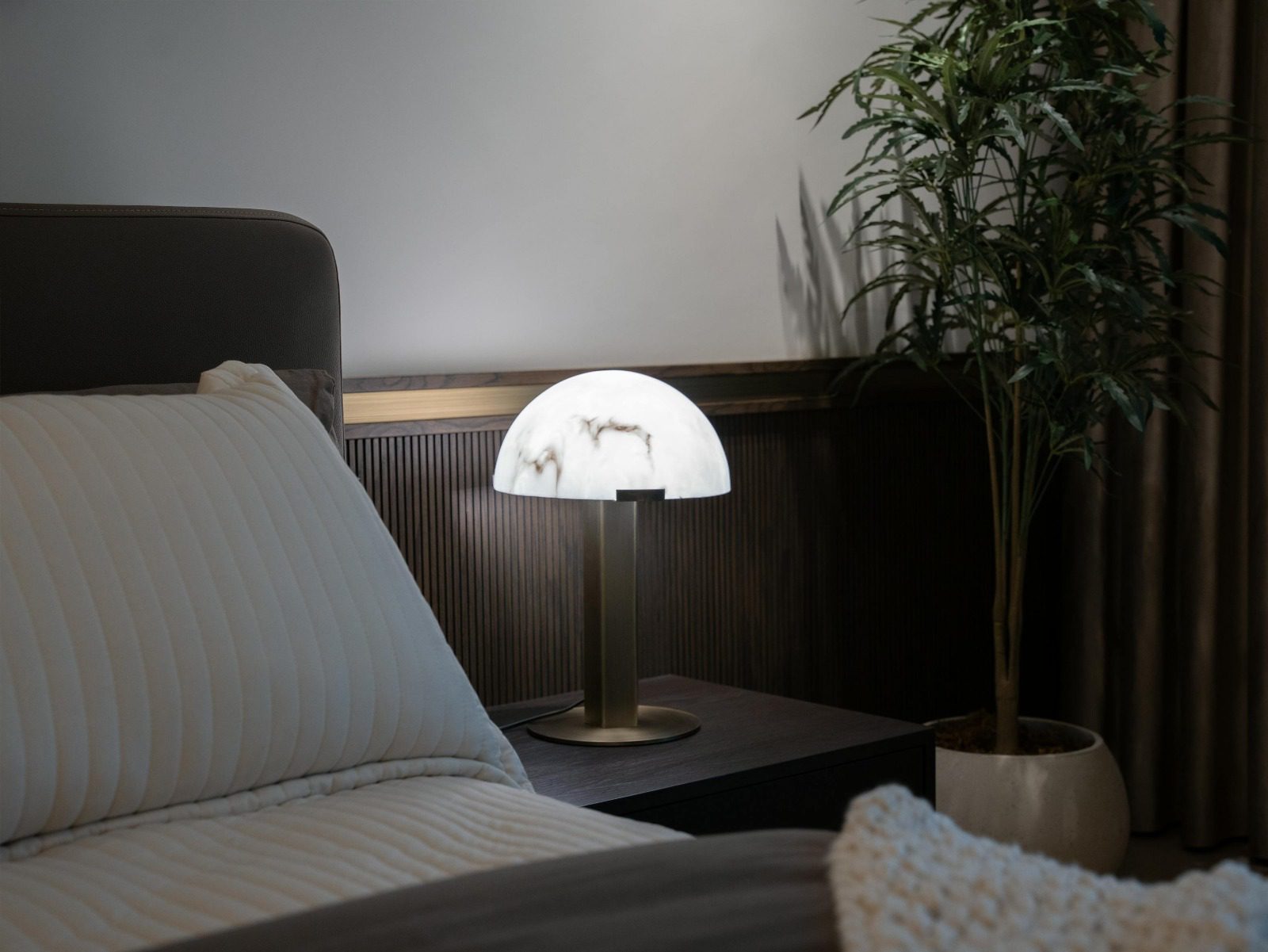
Cool light often gets a bad reputation, but it isn’t inherently wrong. It’s just designed for a different purpose. Cool lighting is meant to keep you alert, focused, and visually sharp — which is useful in the right environment.
The problem isn’t the light itself. It’s using it in spaces where the goal isn’t productivity. When cool light shows up in a bedroom at night, it can feel out of sync with how the space is supposed to function.
Spaces Where Cool Light Makes Sense
Cool light works well in areas where clarity matters. Closets, bathrooms, workspaces, or corners where you need to see details clearly benefit from cooler tones. In those settings, the brightness feels helpful rather than harsh.
In a bedroom, though, those same qualities can feel disruptive. What works during the day or in task-focused spaces doesn’t always translate well to a place designed for rest.
When that kind of lighting shows up in a bedroom after dark, the effect can feel subtly but noticeably wrong.
Why Cool Light Often Feels Wrong in Bedrooms
The “Too Bright, Too Flat” Problem
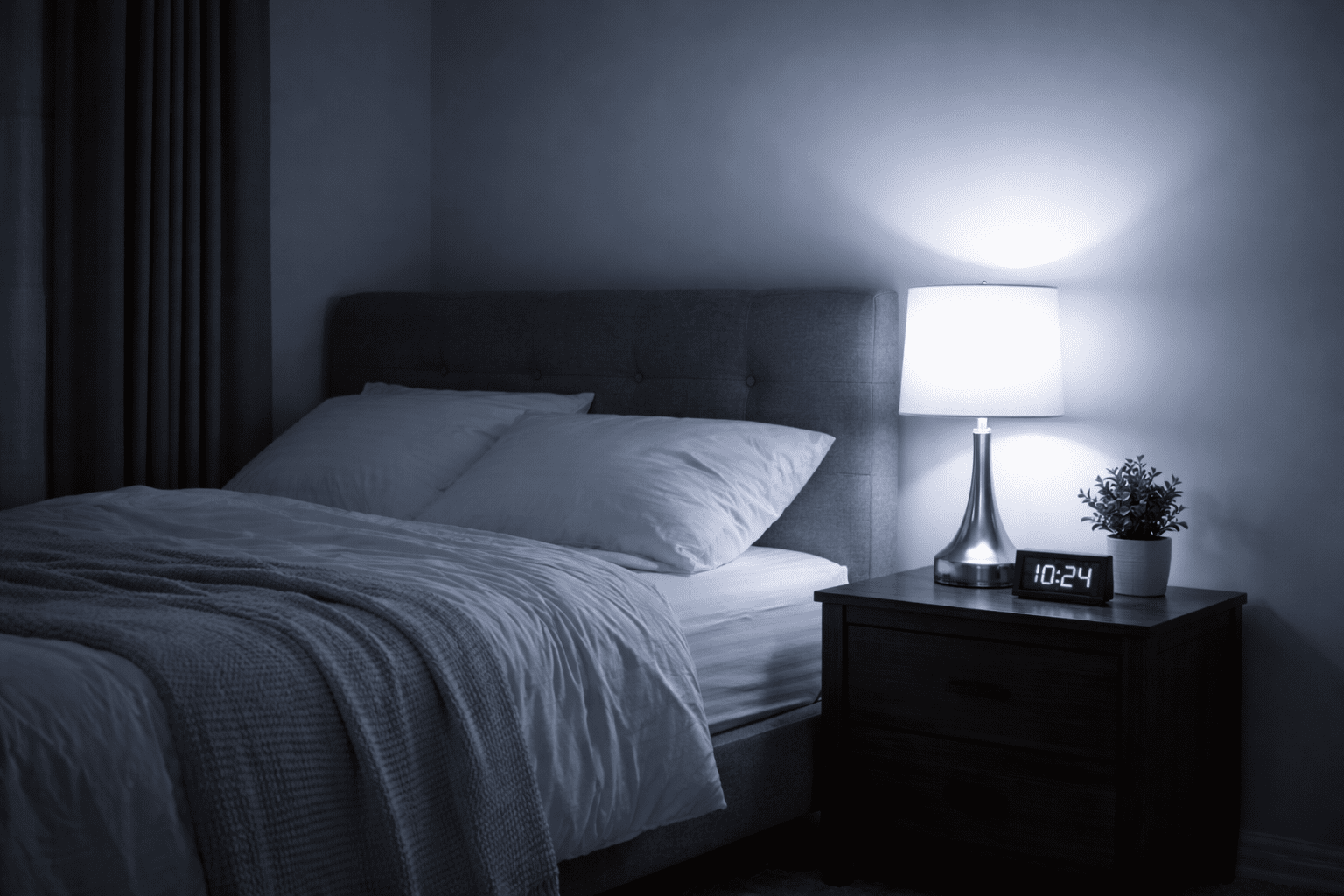
Cool light has a way of flattening a space. Instead of creating depth, it spreads evenly and brightly, which can make a bedroom feel exposed rather than comfortable. Corners lose their softness, shadows disappear, and the room starts to feel more like a utility space than a place to rest.
I’ve noticed that under cool lighting, even a well-decorated bedroom can feel unfinished. The light doesn’t highlight warmth or texture — it reveals everything at once, which isn’t always what you want at the end of the day.
Why Cool Light Makes It Harder to Wind Down
At night, the body is naturally trying to slow down. Cool light works against that instinct. It keeps the room feeling alert, even when everything else is quiet.
Instead of signaling rest, the lighting subtly encourages wakefulness. That’s why bedrooms lit with cool tones often feel harder to relax in, even if the space looks perfectly fine. The issue isn’t visual — it’s emotional and physical, and it becomes more noticeable the longer you stay in the room.
How to Choose the Right Light for Your Bedroom
Choosing the Right Light Tone Without Overthinking It
When it comes to bedroom lighting, I don’t think the decision needs to be technical. You don’t need to obsess over numbers or specifications to get it right. The simplest test is how the room feels when the light is on at night.
If the space feels calm, settled, and easy to be in, the light is doing its job. If it feels sharp, overly bright, or slightly uncomfortable, it probably isn’t. Bedrooms respond better to light that supports rest rather than visibility, and that distinction matters more than perfection.
Why Lamp Shades Matter More Than You Realize
The shade plays a bigger role than most people expect. Even a warm bulb can feel wrong if the shade is too harsh or transparent. On the other hand, a soft fabric or lightly diffused shade can make the same light feel gentle and comforting.
I’ve found that shades which soften and spread the light evenly tend to create the most comfortable atmosphere. They reduce glare, add warmth, and help the light blend into the room instead of dominating it.
Bedside Lamps vs Overhead Lights at Night
Overhead lights are useful, but they rarely feel relaxing at night. They illuminate everything at once, which can make a bedroom feel exposed rather than restful. Bedside lamps, on the other hand, keep the light closer to where it’s needed and allow the rest of the room to stay calm.
This is why I personally gravitate toward bedside lighting in the evening, especially the softer, cozier styles I shared here. It creates a more intimate, grounded feeling — the kind that makes a bedroom feel like a place to unwind instead of just another room in the house.

Final Thoughts: Comfort Over Brightness
Bedroom lighting doesn’t need to be perfect to feel right. It just needs to support the way the space is meant to be used at night. When the light feels calm instead of sharp, the room naturally becomes easier to settle into.
I’ve learned that choosing lighting for a bedroom is less about brightness and more about atmosphere. Warm, gentle light tends to work with the space rather than against it, especially in the evenings. Once the lighting feels comfortable, everything else in the room falls into place more naturally.
Pingback: Layered Bedroom Lighting: The 3-Light Rule Designers Actually Use
Pingback: Best Light Temperature for a Bedroom (2700K vs 3000K Guide)
Pingback: How to Light a Bedroom Without Overhead Lighting (Simple Setup Guide)